
Chest muscles
Pectoralis major
Musculus pectoralis major
Your largest chest muscle helps move your arms forward and across your body — for example when pressing.
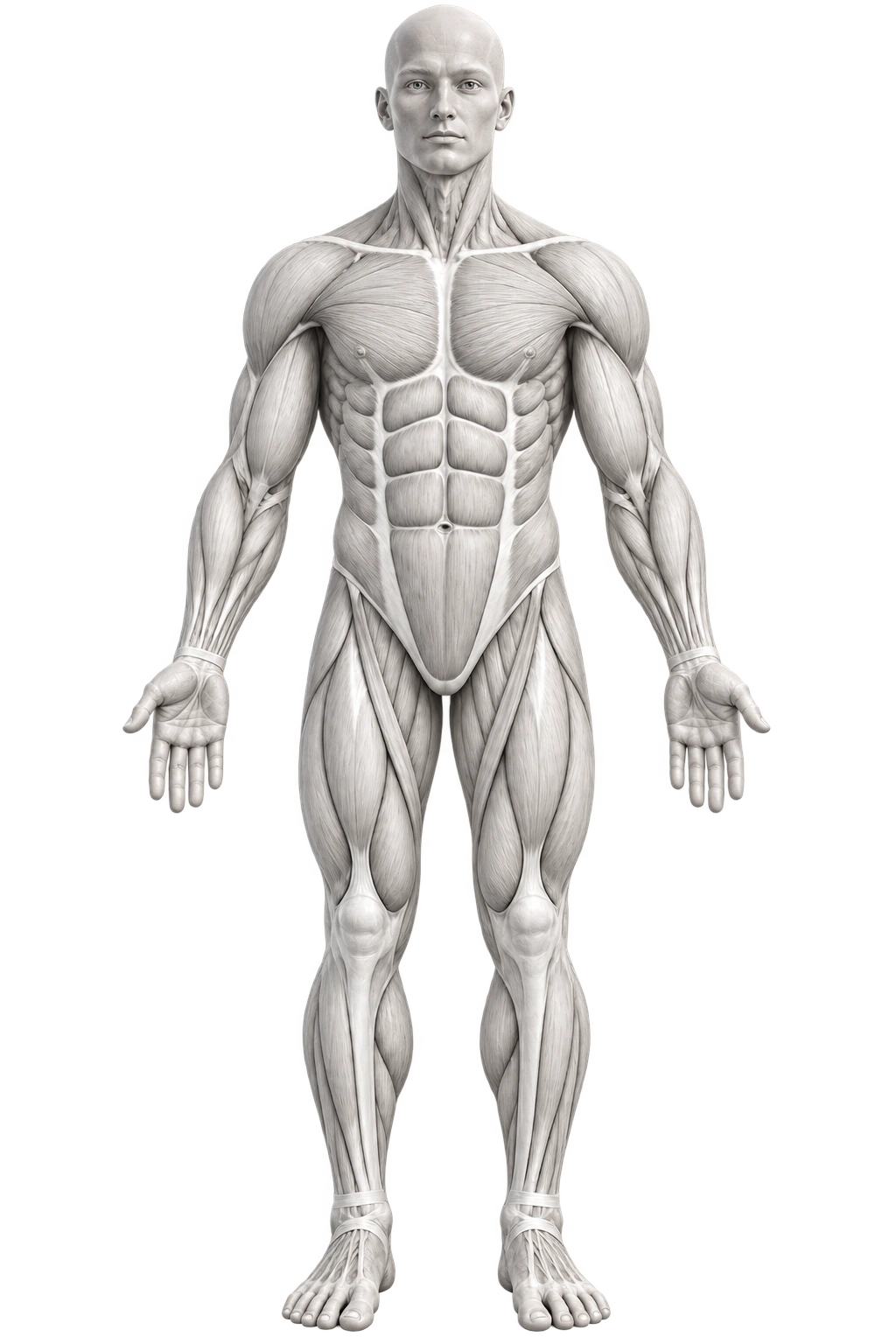
At a glance
- Region
- Chest
- Movement pattern
- Pressing movements
- Joint
- Shoulder joint
Exercises
Exercises for the chest
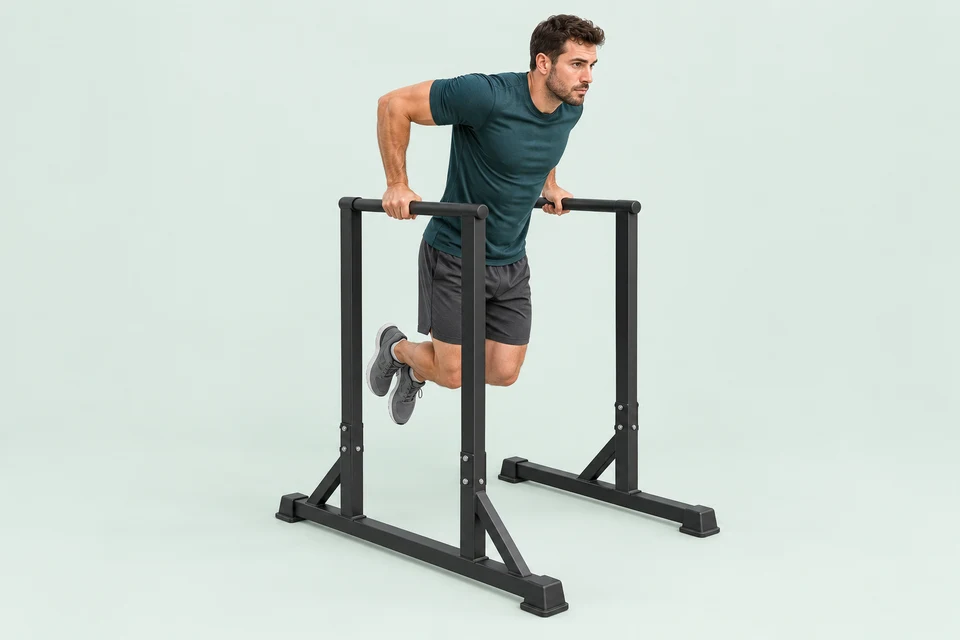
Stable parallel bars or dip station; bodyweight
Parallel-bar dips
Lowering and raising your body between parallel bars trains the chest and triceps. A slight forward lean involves the chest.
View technique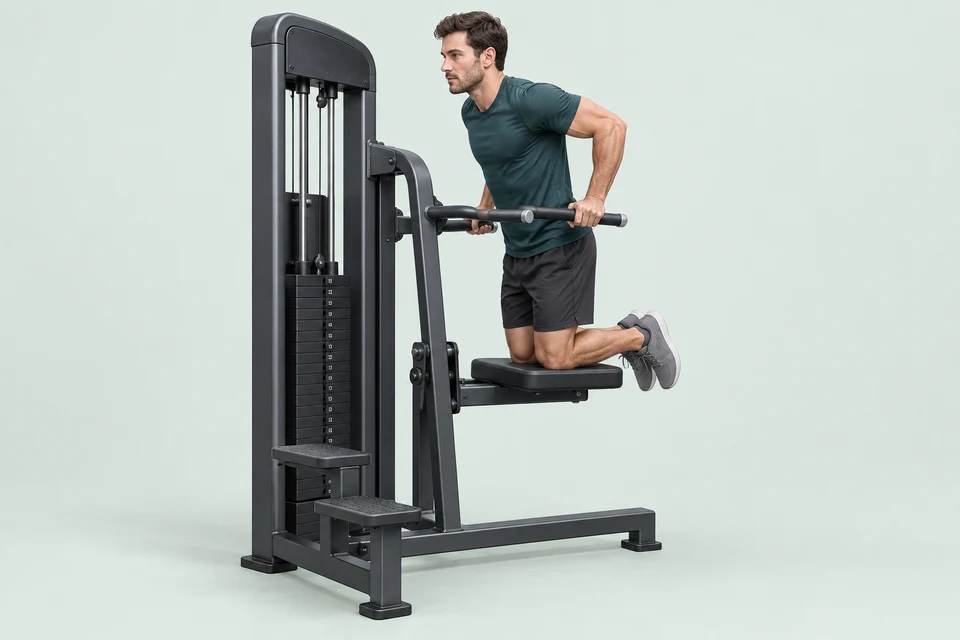
Assisted dip machine with knee pad
Machine-assisted dips
A counterweighted knee pad supports the body during dips so that chest and triceps work against an adjustable share of bodyweight.
View technique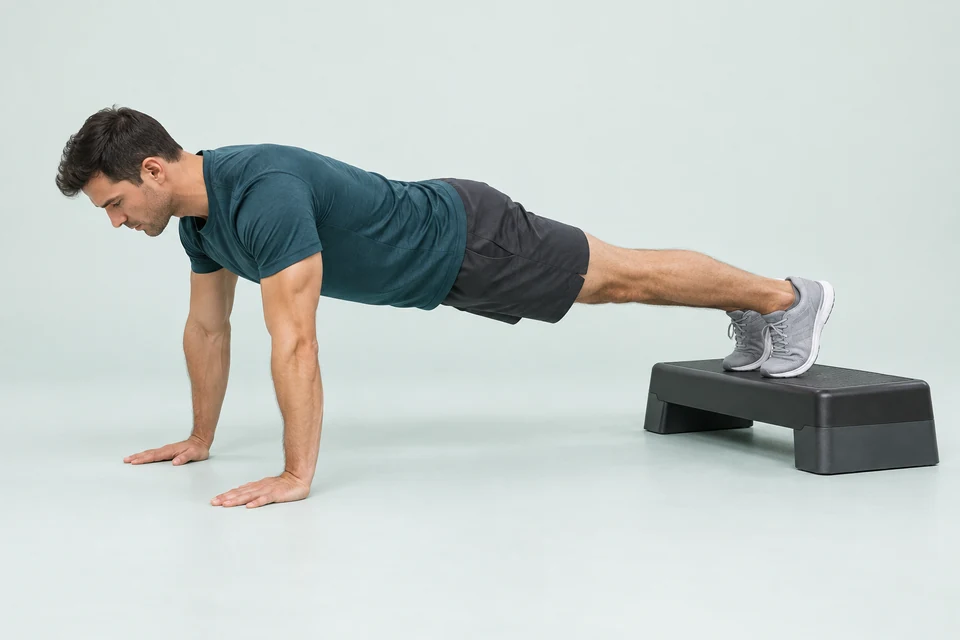
No gym equipment · Low stable step
Feet-elevated push-up
Place your feet on a low step and your hands on the floor. This demanding push-up variation emphasizes the upper chest alongside the front delts and triceps.
View technique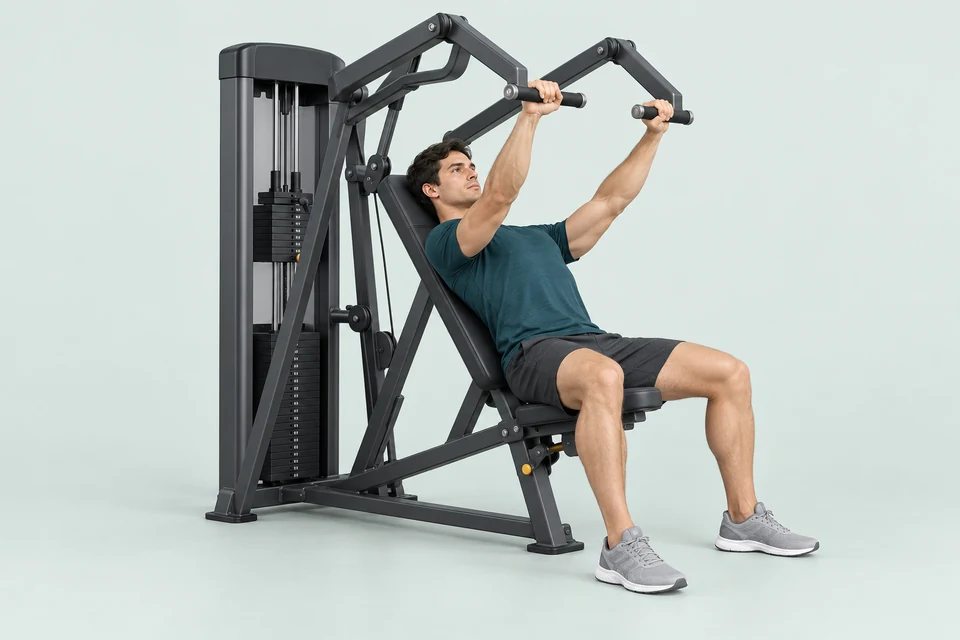
Machine · Inclined backrest
Incline chest press machine
Press upward and forward from a supported inclined position. This machine variation emphasizes the upper chest with help from the front delts and triceps.
View technique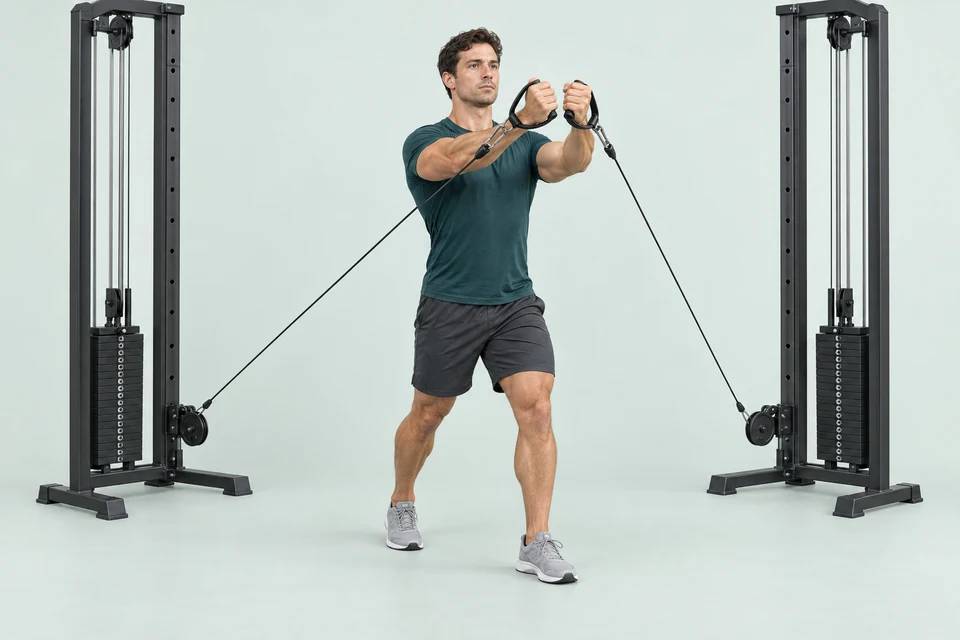
Cable machine · Two low pulleys
Low-to-high cable chest fly
Bring the handles upward and together in a rounded arc. The low-to-high cable path emphasizes the upper chest without turning the movement into a press.
View technique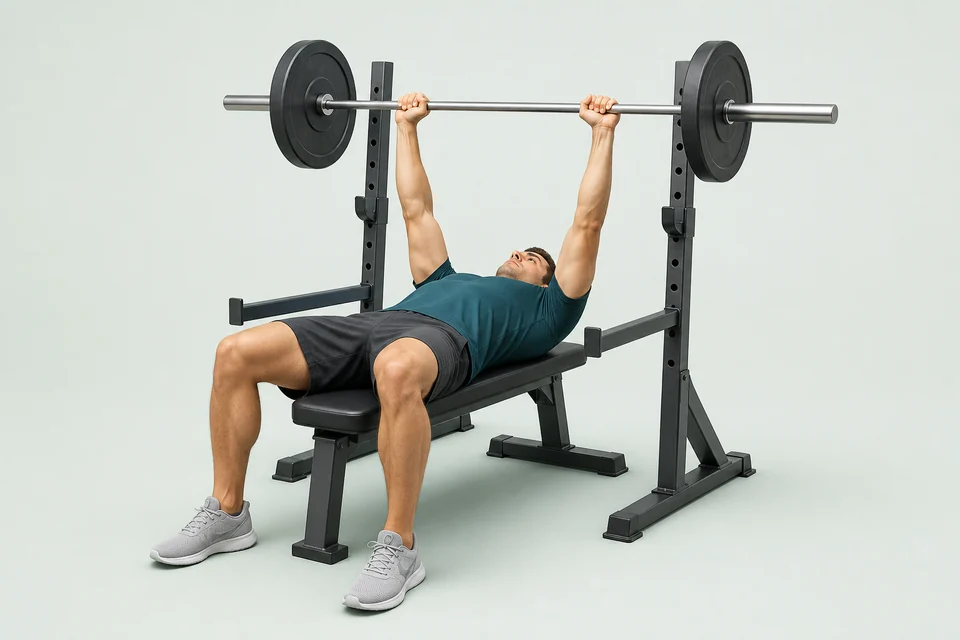
Barbell · Flat bench
Bench press
Both hands guide a shared barbell while you press from a bench.
View technique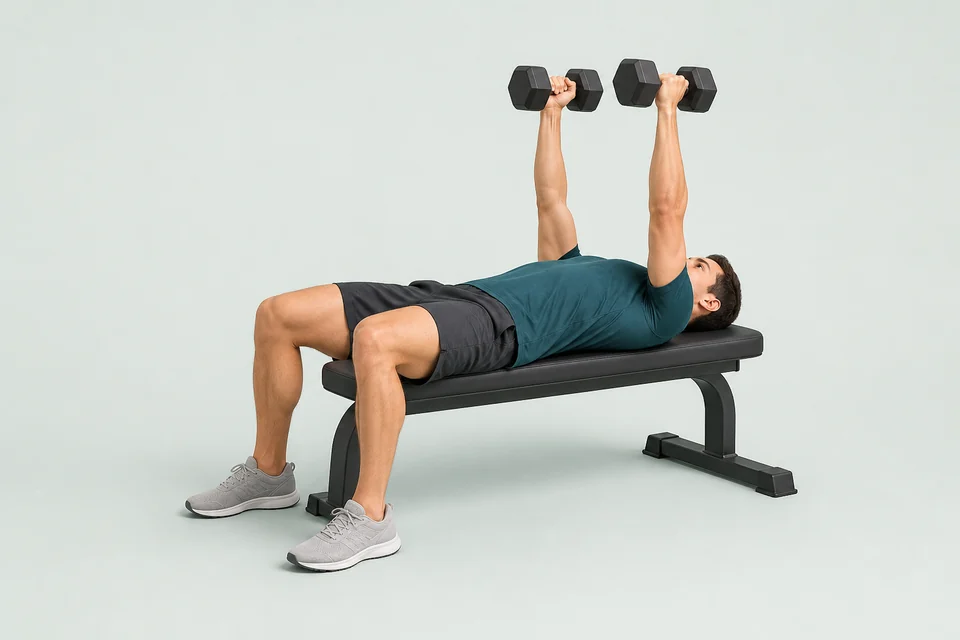
Dumbbells · Flat bench
Dumbbell bench press
Each hand controls its own dumbbell, so both arms work independently.
View technique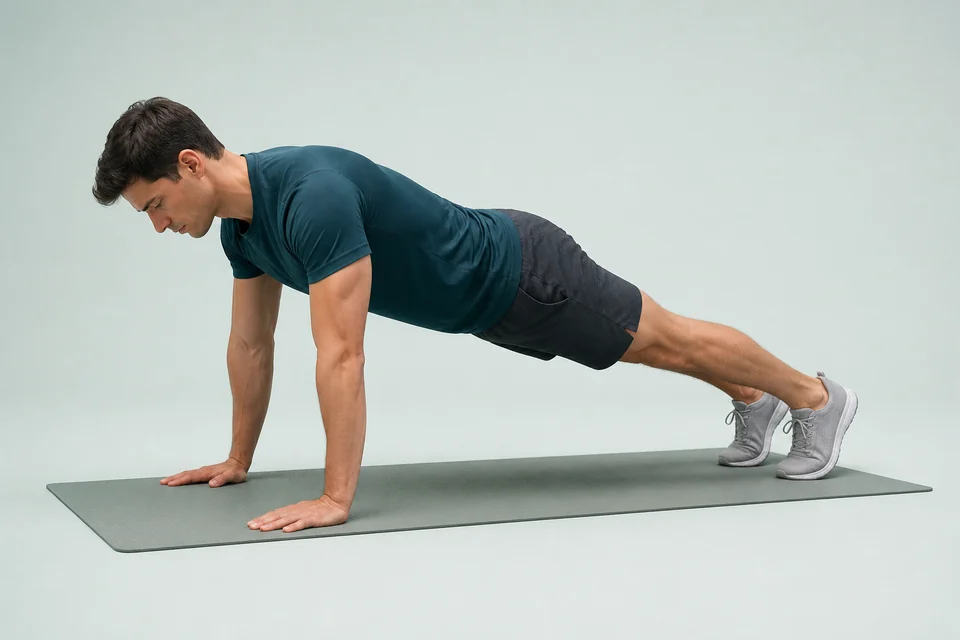
No equipment
Push-ups
Press your own bodyweight away from the floor, without equipment.
View technique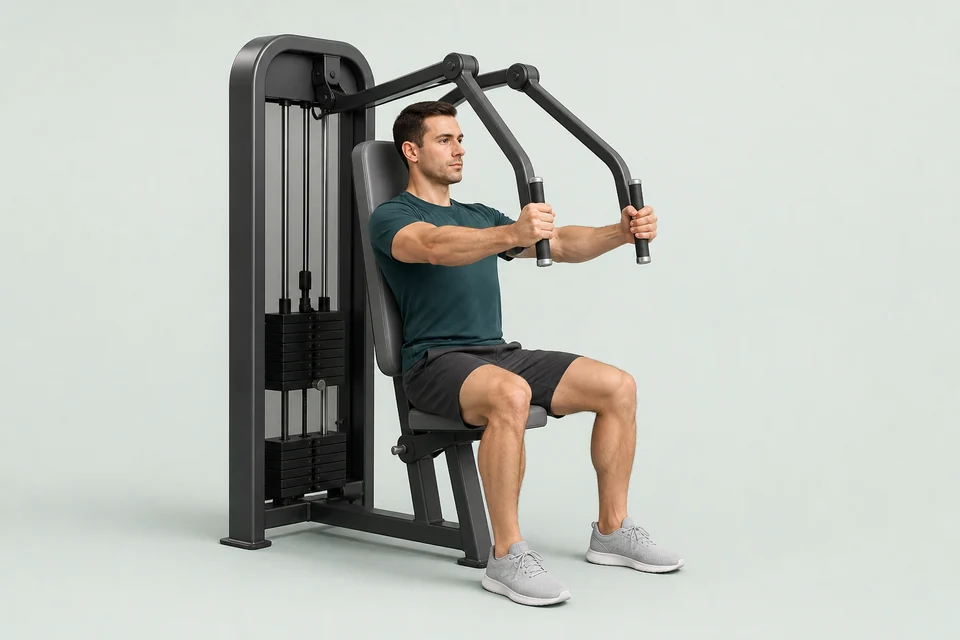
Machine
Chest press
The machine guides the pressing path while the backrest supports your torso.
View technique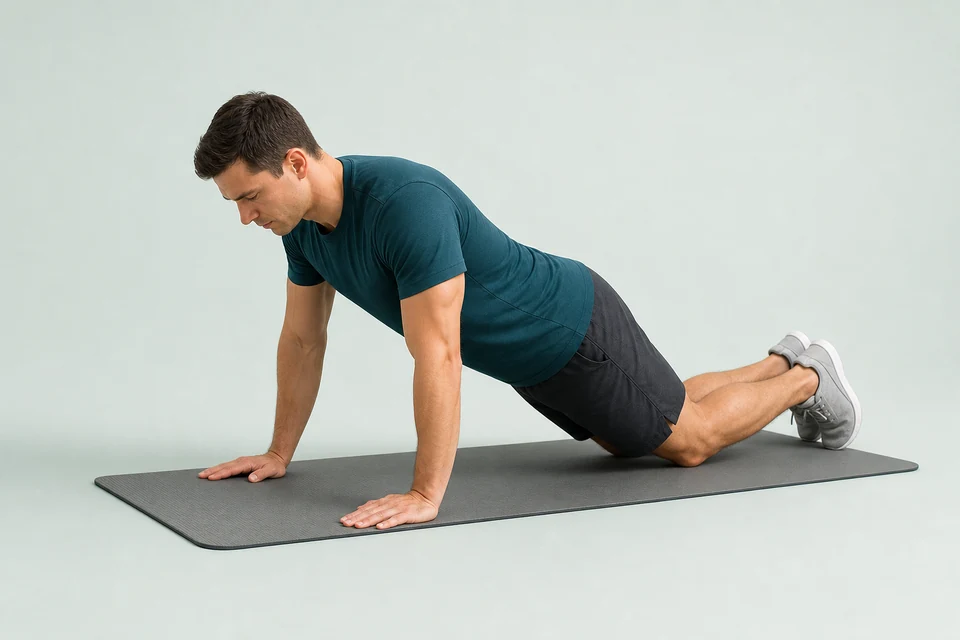
No equipment
Knee push-ups
A lighter push-up variation with your knees supporting part of your bodyweight.
View technique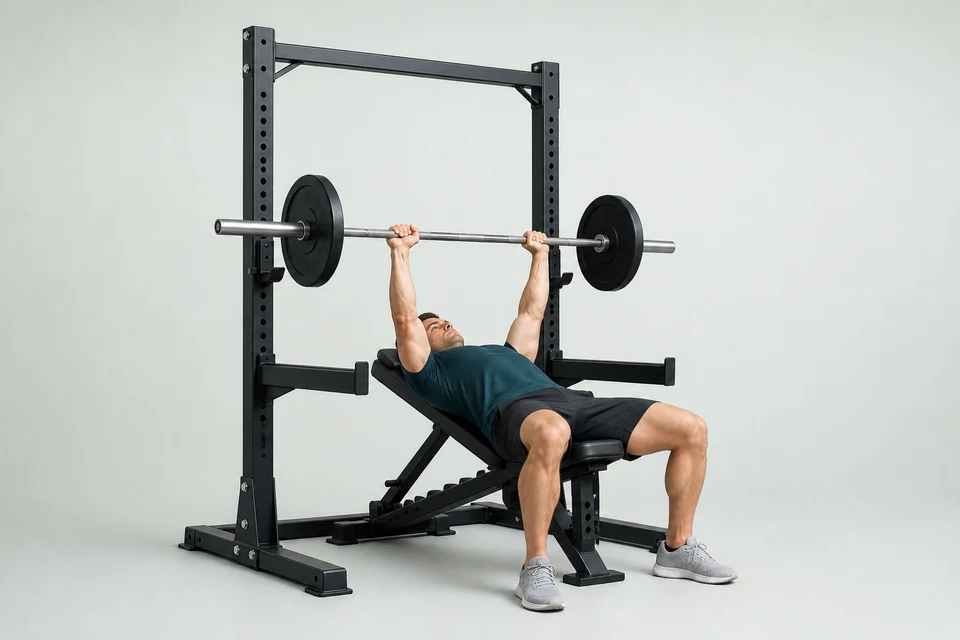
Barbell · Incline bench · Rack
Incline barbell bench press
An inclined backrest changes the pressing angle and emphasizes the upper chest.
View technique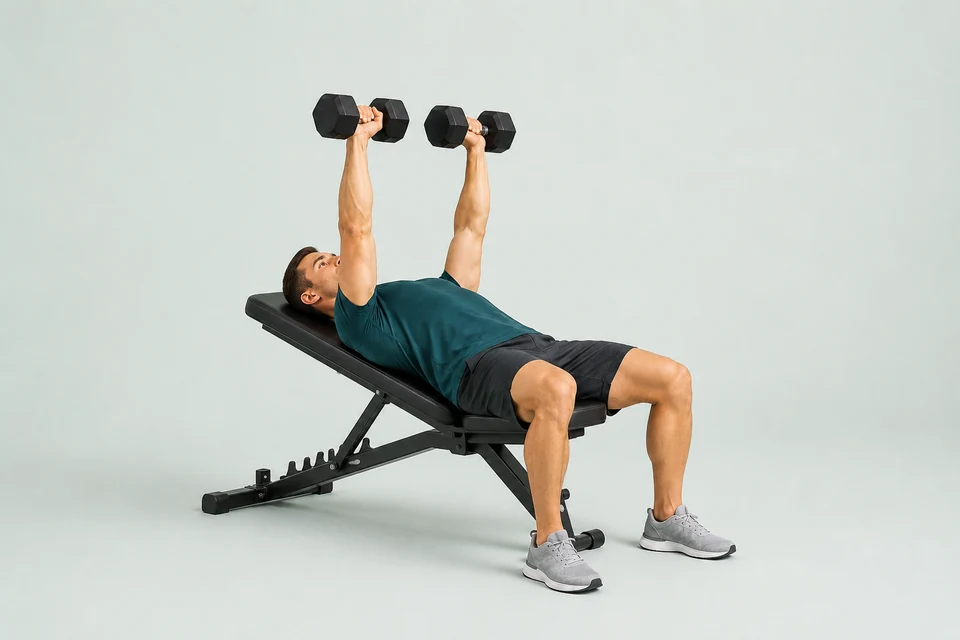
Dumbbells · Adjustable bench
Incline dumbbell bench press
Press two separate dumbbells from an inclined bench to emphasize the upper chest.
View technique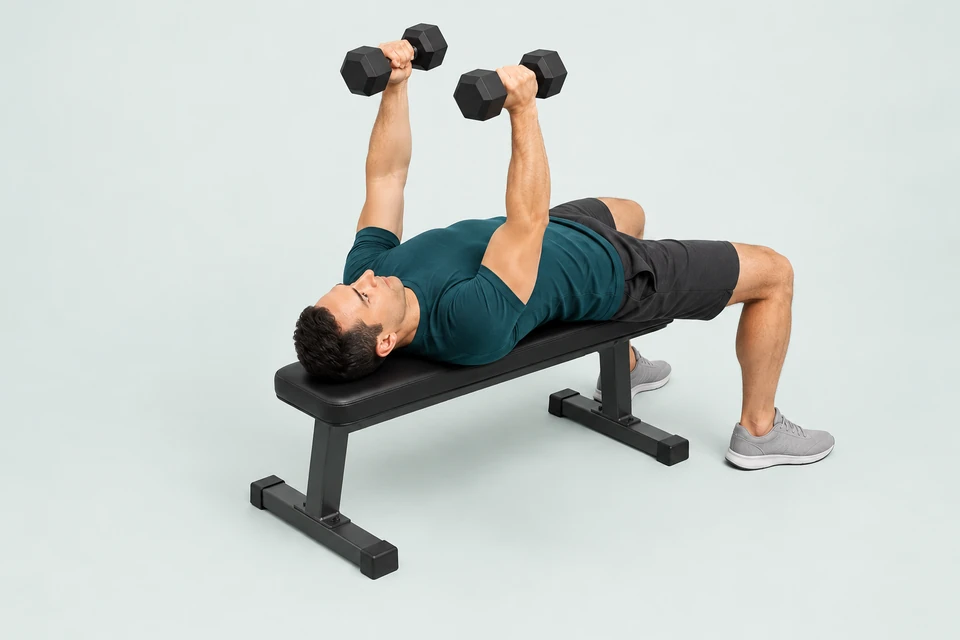
Dumbbells · Flat bench
Dumbbell chest fly
Bring your arms together in a wide arc while keeping a small elbow bend.
View technique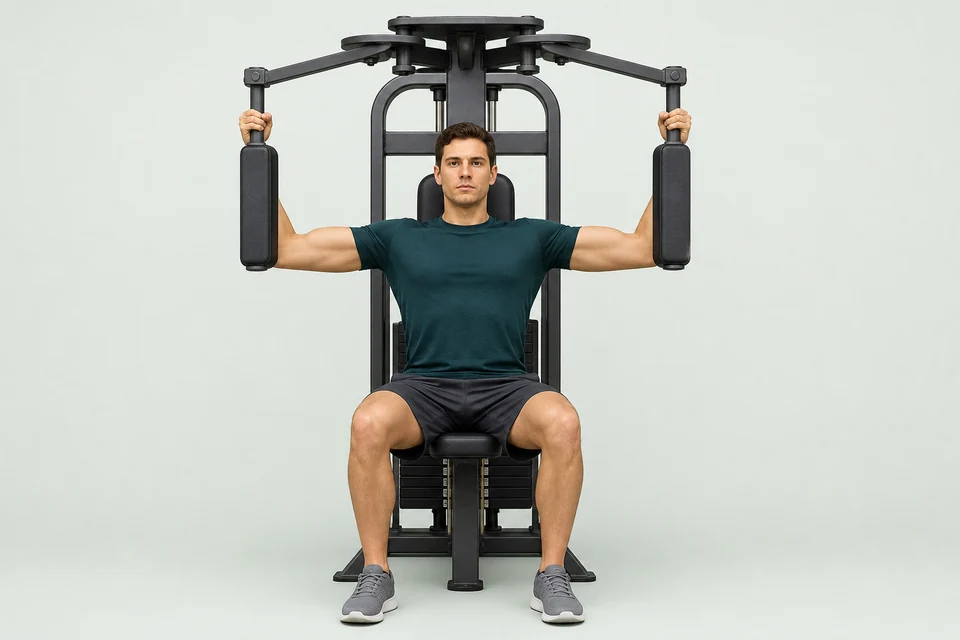
Machine · Forearm pads
Pec deck / Butterfly
Bring the padded machine arms together in front of your chest with your back supported.
View technique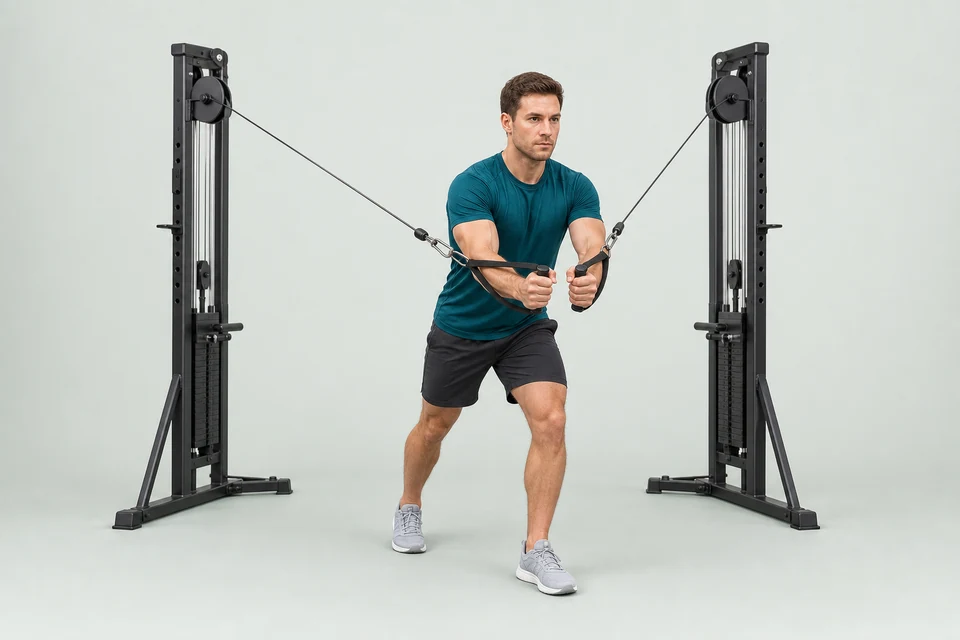
Machine · Dual cable pulleys
Standing cable chest fly
Bring two cable handles together in front of your chest while standing in a stable stance.
View techniqueExercise suggestions for this muscle are being prepared.
Understand the muscle
Anatomical regions
The pectoralis major can be described functionally through its clavicular and sternocostal parts.
Upper chest
Clavicular part
Pars clavicularisStarts at the collarbone and helps raise your arm forward.
Exercises for this region
Middle and lower chest
Sternocostal part
Pars sternocostalisStarts at the sternum and ribs. Helps bring your arm inward and lower a raised arm.
Exercises for this region
The listed exercises involve this region alongside other parts of the muscle. A muscle head or deep portion is not necessarily trained in isolation.
Simply explained
What does the muscle do?
In simple terms, the pectoralis major helps move your upper arm forward, inward, and across your body.
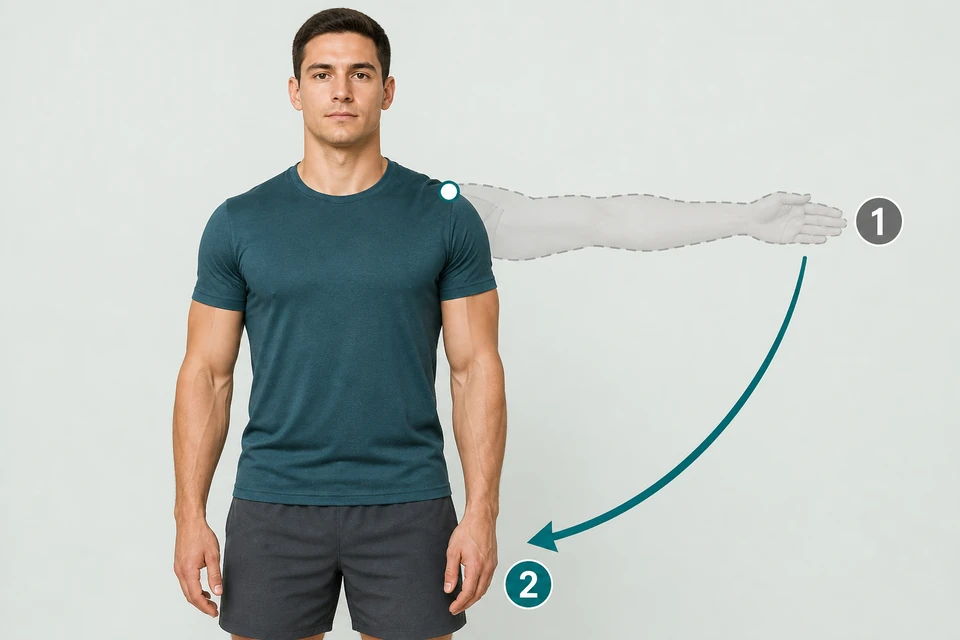
Bring your arm toward your body
Adduction
Move an arm held out to the side back toward your torso.
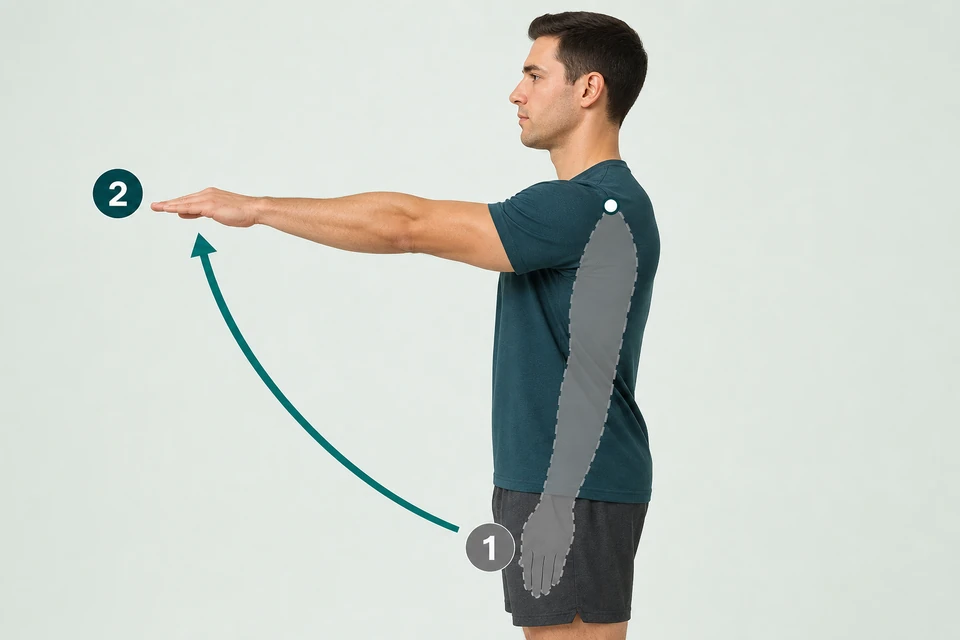
Raise your arm forward
Shoulder flexion
Lift your arm in front of your body. The clavicular part helps with this movement.
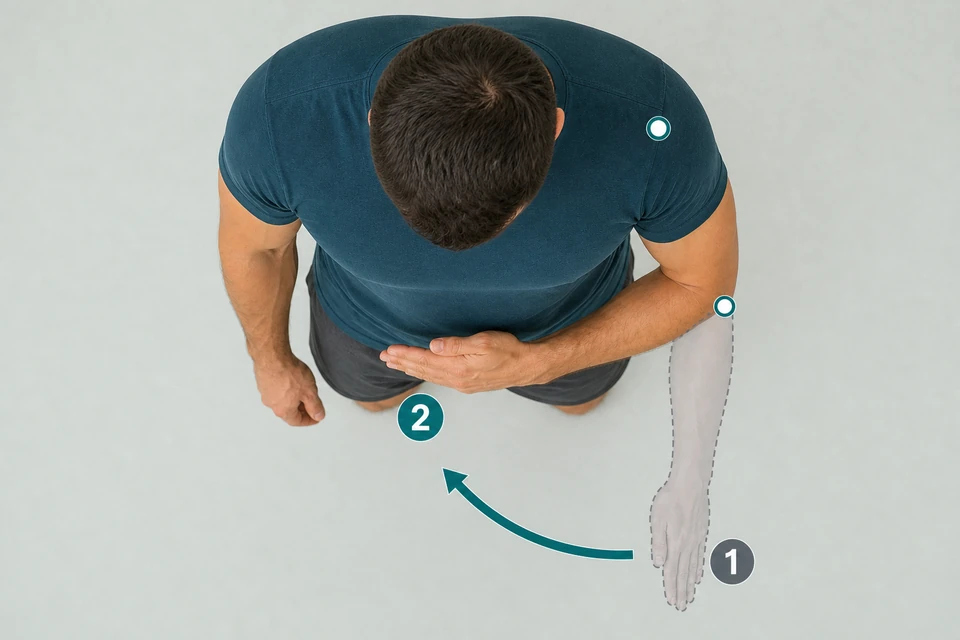
Rotate your upper arm inward
Internal rotation
With your elbow bent beside your body, the forearm turns toward your abdomen. The rotation happens at the shoulder.
Often works with
Sources & illustrations
Anatomy and technique: the references below. Region boundaries and motion overlays are schematic. Exercise and movement illustrations on this page are AI-generated.
- PureGym · Chest Dips
- Life Fitness · Insignia Series Assist Dip Chin
- PureGym · Decline Push Ups
- Life Fitness · Incline Chest Press
- PureGym · Cable Flyes: Low to High
- StatPearls / NCBI · Pectoralis major anatomy
- NASM · Barbell Bench Press
- ACE · Dumbbell Chest Press
- ACE · Push-up
- ACE · Seated Chest Press
- ACE · Bent-Knee Push-Up
- NASM · Incline Barbell Bench Press
- NASM · Two-Arm Incline Dumbbell Chest Press
- ACE · Lying Chest Fly
- ACE · Pec Deck: Exercise Technique (PDF)
- ACE · Standing Chest Fly