
Forearm muscles
Forearms
Musculi antebrachii
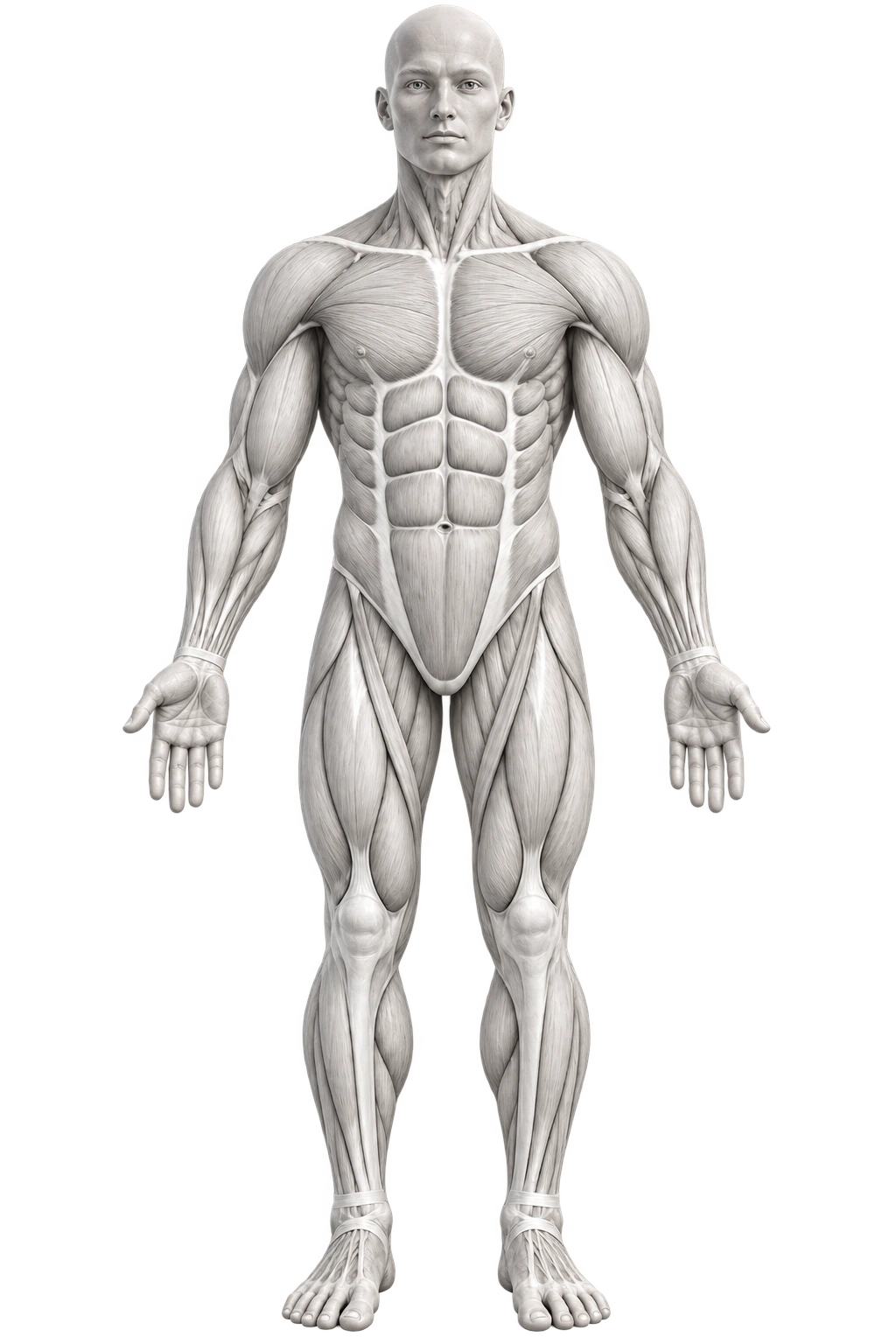
The muscles between your elbow and wrist move your hands and fingers. They help you hold dumbbells securely during rows, curls, and carries.
At a glance
- Region
- Lower arm
- Movement pattern
- Gripping, carrying, and wrist movements
- Joint
- Wrist, elbow, and finger joints
Exercises
Exercises for the forearms
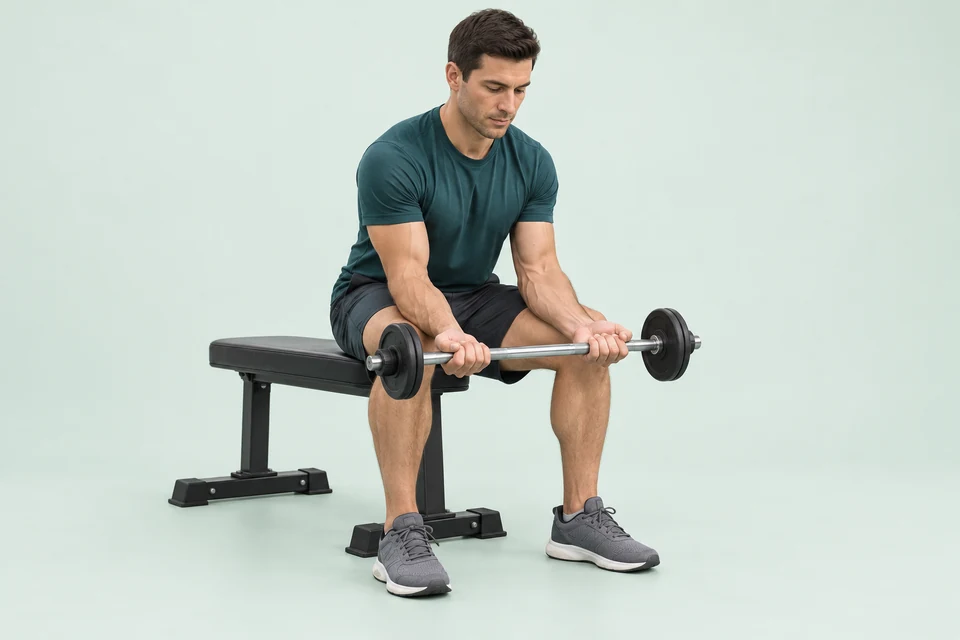
Light short barbell · Stable seat
Barbell wrist curl
Curl supported wrists with an underhand grip to train the wrist flexors.
View technique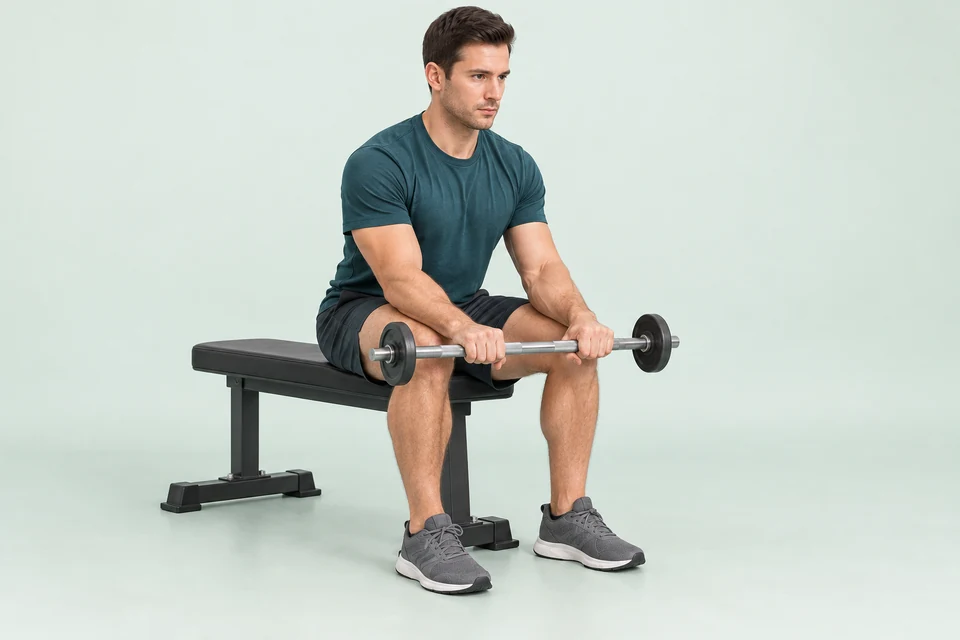
Light short barbell · Stable seat
Barbell wrist extension
Extend supported wrists with an overhand grip to train the wrist extensors.
View technique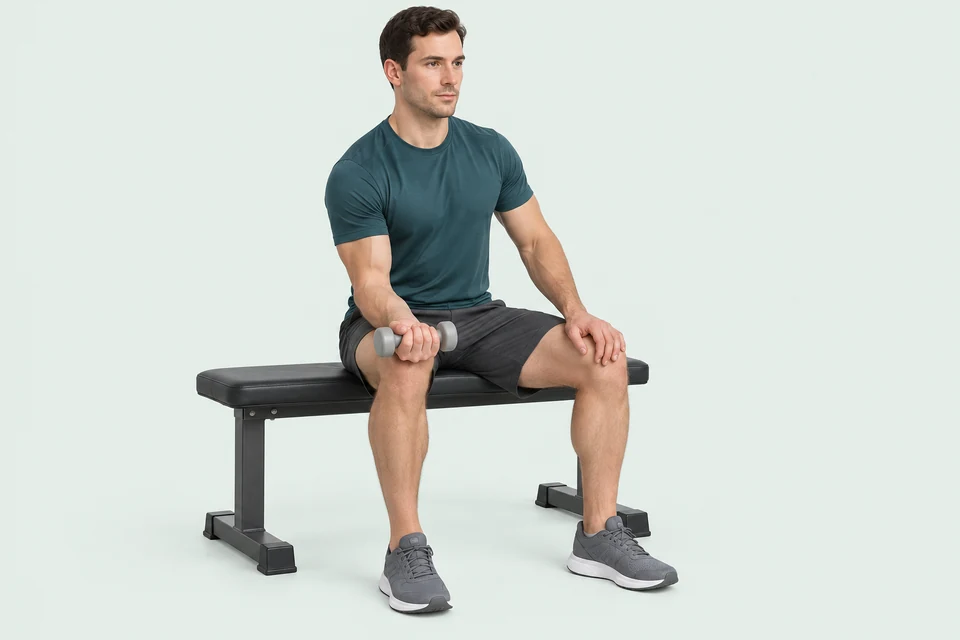
Light dumbbell · Stable seat
Supported dumbbell forearm rotation
Turn the supported forearm slowly between palm-up and palm-down. This trains forearm rotation rather than bending the wrist.
View technique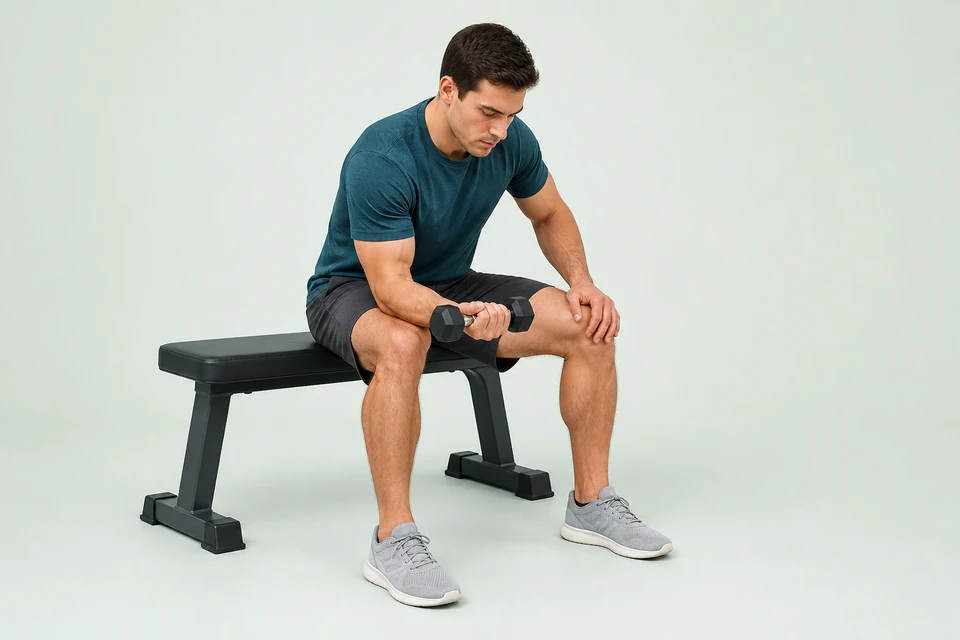
Dumbbell · Bench
Dumbbell wrist curl
A supported, palm-up wrist curl for the forearm flexors.
View technique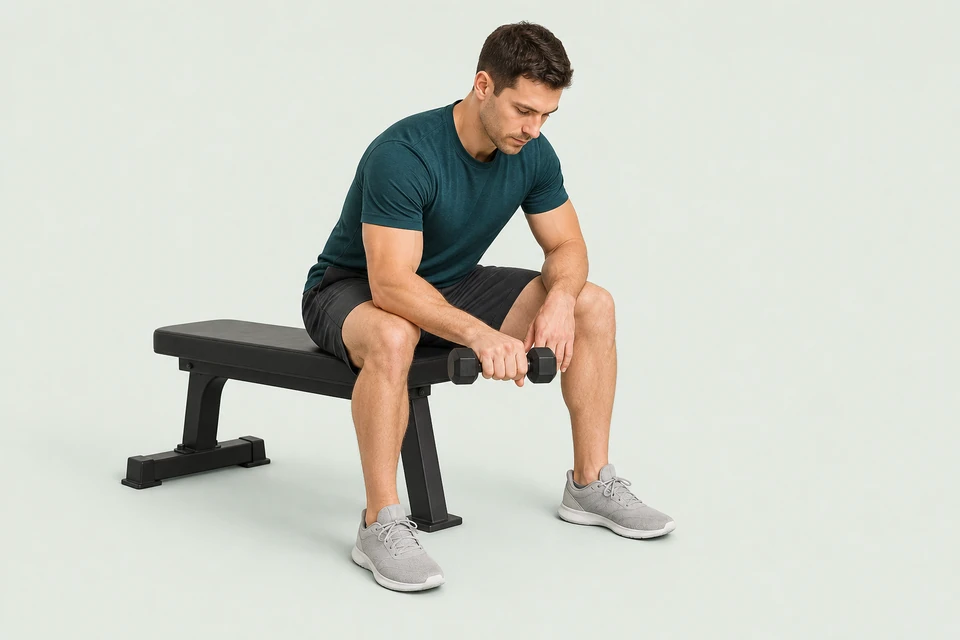
Dumbbell · Bench
Dumbbell wrist extension
The palm-down version trains the wrist extensors on the back of the forearm.
View technique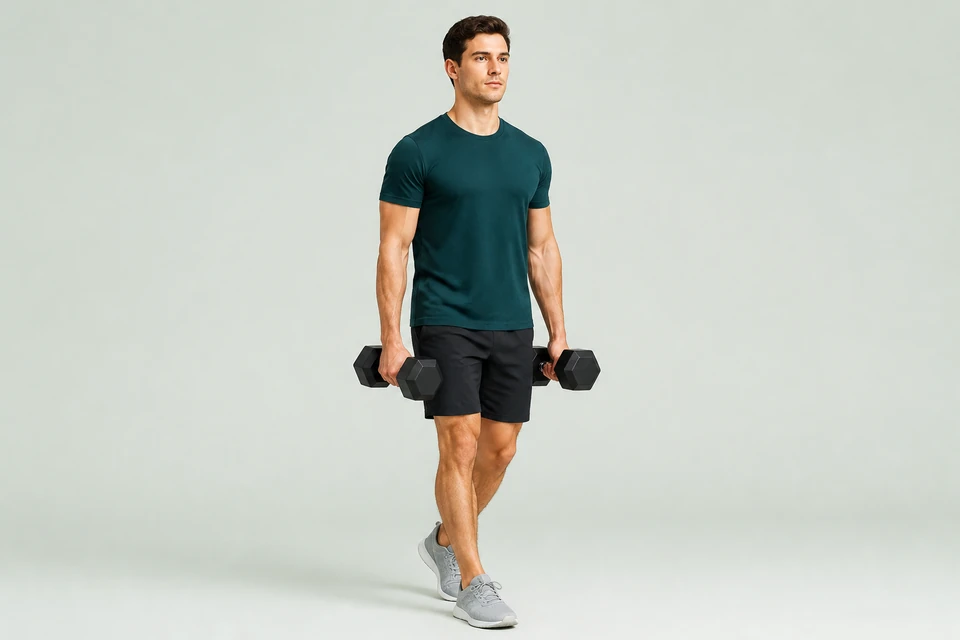
Dumbbells · Clear walking space
Farmer’s walk with dumbbells
Carrying two dumbbells challenges your grip while the shoulders and torso stay steady.
View techniqueExercise suggestions for this muscle are being prepared.
Understand the muscle
Many muscles, three key jobs
The forearm contains several muscle groups around the radius and ulna. Flexors, extensors, and rotators work together; the brachioradialis also helps bend the elbow during hammer curls.
Palm side
Wrist and finger flexors
Musculi flexores antebrachiiThese muscles bend the wrist and fingers. Their long tendons continue into the hand and help maintain your grip.
Exercises for this region
Back of the forearm
Wrist and finger extensors
Musculi extensores antebrachiiThey extend the wrist and fingers. The wrist extensors also stabilize the hand when you hold a weight.
Exercises for this region
Pronation and supination
Forearm rotators
Musculi pronatores et supinatoresPronator teres and quadratus turn the palm down. The supinator turns it up, assisted by the biceps.
Exercises for this region
The listed exercises involve this region alongside other parts of the muscle. A muscle head or deep portion is not necessarily trained in isolation.
Simply explained
What does the muscle do?
Your forearms help you grip, steady the wrist, and turn the palm. Finger flexors maintain your hold while wrist extensors help keep the hand stable.
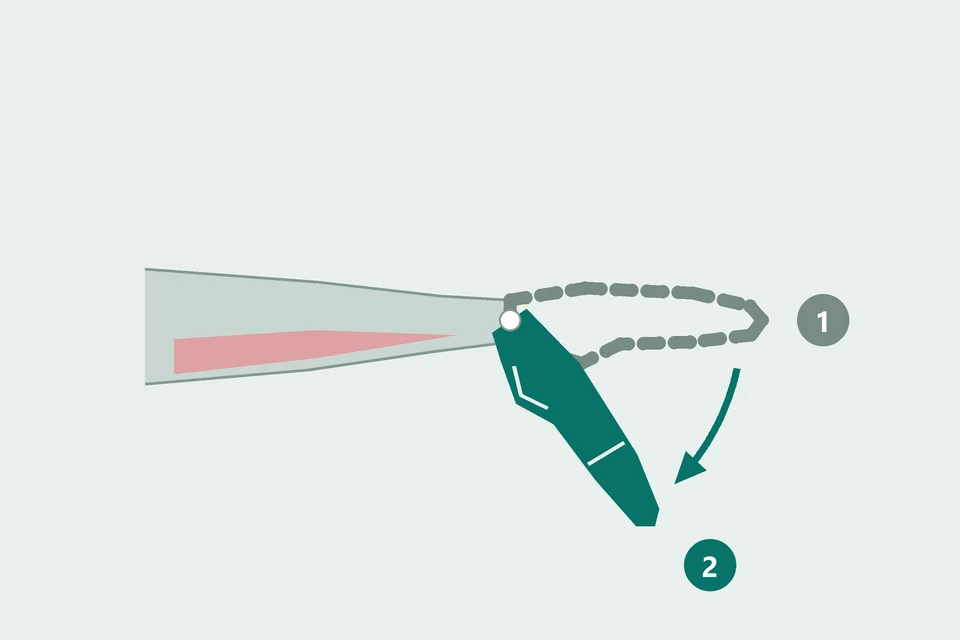
Bend toward the palm
Wrist flexion
The palm moves toward the underside of the forearm, as in a palm-up wrist curl. Finger flexion provides the grip around the handle.
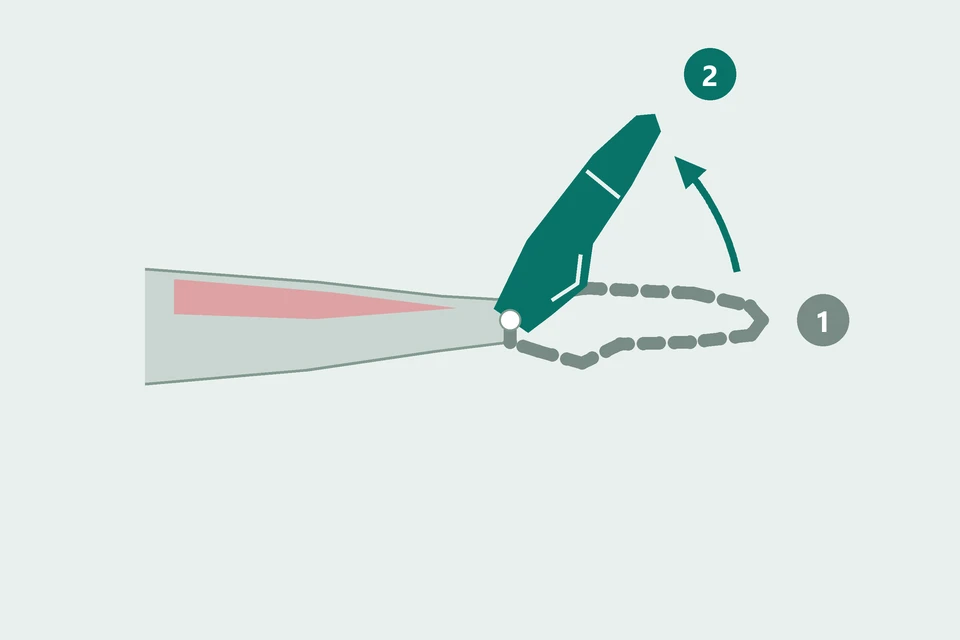
Lift the back of the hand
Wrist extension
The back of the hand moves toward the forearm. The extensors also counter the pull of the finger flexors when gripping.
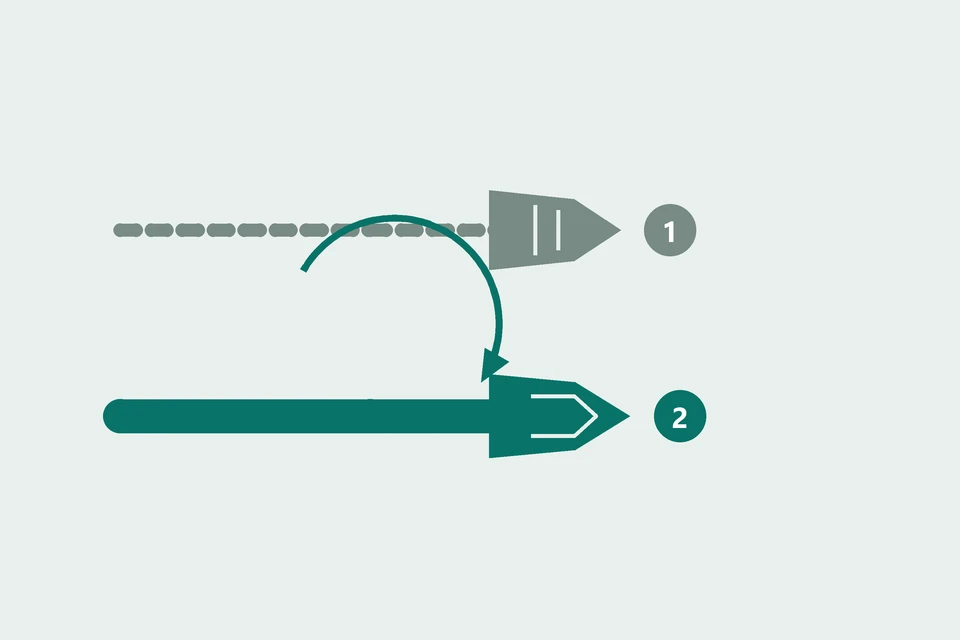
Turn the palm
Forearm rotation
The radius rotates around the ulna: palm-down is pronation, palm-up is supination. The movement comes from the forearm, not just the wrist.
Sources & illustrations
Anatomy and technique: the references below. Region boundaries and movement diagrams are schematic. Exercise images are AI-generated illustrations.